
Listen to audio:
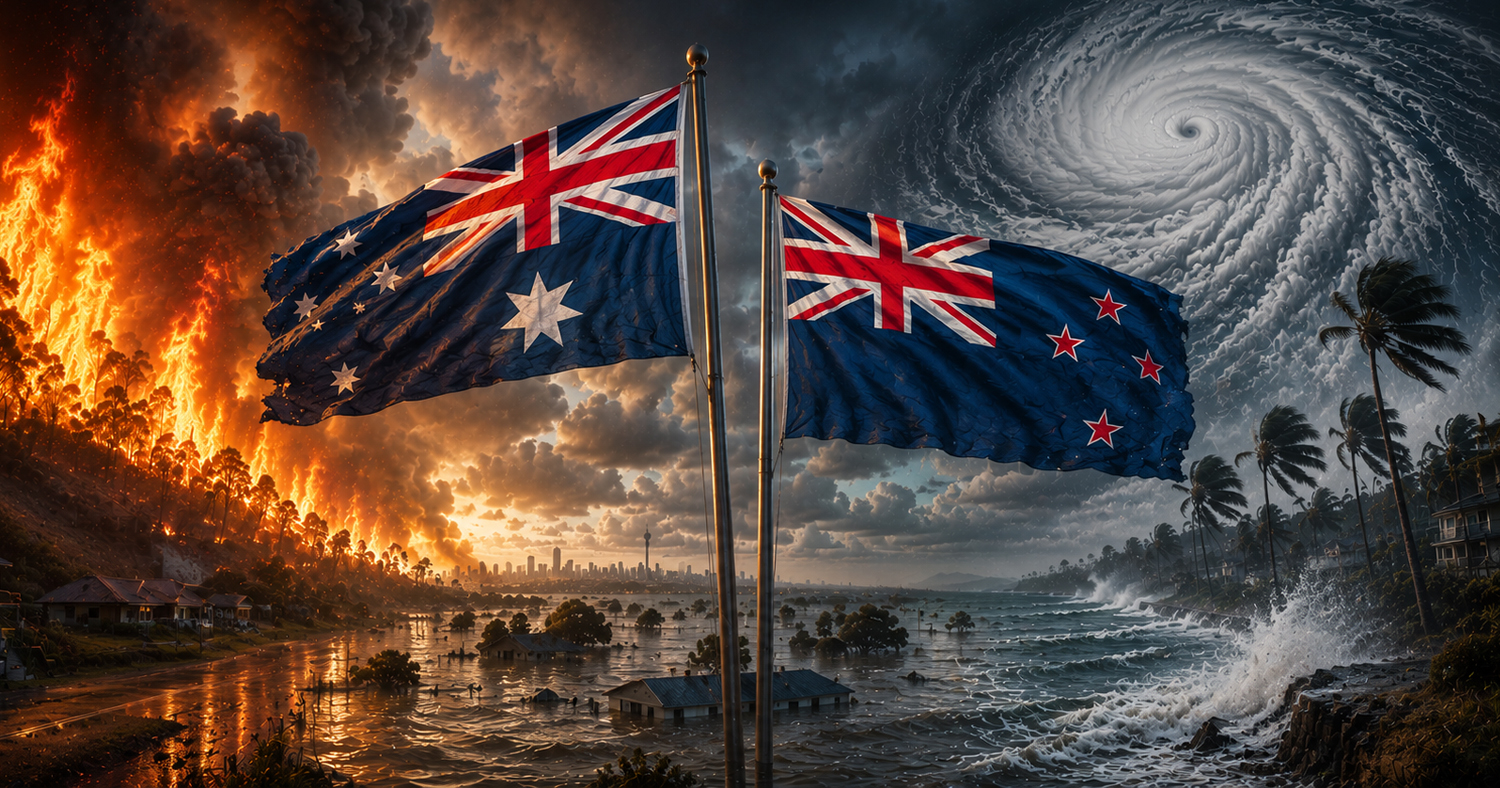
Australia and New Zealand are among the countries most exposed to extreme natural disasters. Bushfires, large-scale floods, tropical cyclones and landslides regularly cause billions in damages, mass evacuations and loss of life. Climate change is further increasing the intensity and frequency of these events.
The Oceania region is now widely considered one of the areas most vulnerable to extreme weather conditions. Emergency management agencies and climate experts continue to warn that without effective early warning systems and fast public communication, the consequences of future disasters will become even more severe.
Bushfires in Australia Have Become More Destructive Than Ever
Australia has a long history of bushfires, but recent years have shown unprecedented fire intensity and scale. The 2019–2020 “Black Summer” bushfires became one of the worst natural disasters in Australian history.
According to official data, the fires burned more than 24 million hectares of land, destroyed over 3,000 homes and caused massive ecological damage. Millions of animals died, entire communities were evacuated and smoke pollution affected major cities including Sydney and Canberra.
Extreme heatwaves, prolonged drought and strong winds created conditions where fires spread rapidly across large areas. Authorities were forced to issue emergency warnings continuously, often with very limited evacuation time.
Bushfires remain one of the clearest examples of why fast and reliable warning systems are critical for public safety.

Floods Are Affecting Entire Regions Across Australia and New Zealand
Flooding has also become one of the region’s most serious threats. Australia experienced several catastrophic flood events between 2021 and 2023, particularly in New South Wales and Queensland.
Heavy rainfall overwhelmed rivers, dams and urban drainage systems. Thousands of homes were flooded and many communities became isolated for days. In some areas, emergency services had to conduct large-scale helicopter rescues.
New Zealand has faced similar challenges. Auckland floods and Cyclone Gabrielle in 2023 caused widespread infrastructure damage, transport disruption and emergency evacuations across the North Island.
Experts increasingly point to the combination of extreme rainfall events and growing urbanization as a major risk factor. When warnings are delayed or communication fails, the impact on local communities becomes significantly worse.

Tropical Cyclones Continue to Threaten Coastal Areas
Northern Australia regularly experiences powerful tropical cyclones during cyclone season. Some storms bring destructive winds exceeding 250 km/h, accompanied by storm surges and torrential rain.
Cyclone Yasi, Cyclone Debbie and more recently Cyclone Jasper demonstrated how quickly critical infrastructure can be disrupted. Airports, energy networks, communication systems and transport routes often become inaccessible within hours.
Remote communities are particularly vulnerable because evacuation and emergency response may take longer. This increases the importance of reliable public warning infrastructure capable of operating even during power outages or network failures.
Early Warning Systems Are Becoming a Critical Part of Disaster Preparedness
Modern disaster management no longer depends only on forecasting. The ability to warn people quickly and clearly has become equally important.
Governments across Australia and New Zealand continue investing in integrated emergency warning systems that combine meteorological monitoring, mobile alerts, radio communication and acoustic warning technologies.
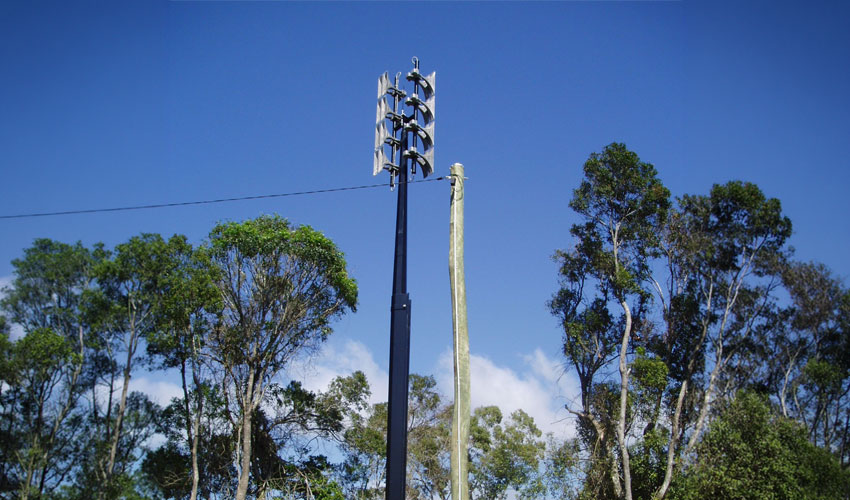
Acoustic warning systems, including electronic sirens, play an important role especially in situations where internet access, mobile coverage or electricity infrastructure may fail. Clear audible alerts can help authorities rapidly warn residents about evacuation orders, flash floods, approaching fires or other immediate threats.
Fast and understandable warning communication can significantly reduce casualties and improve emergency response coordination.
Natural Disasters Are Increasing the Demand for Reliable Public Warning Solutions
As climate-related disasters become more frequent, municipalities, industrial sites, critical infrastructure operators and emergency management agencies are reassessing their preparedness strategies.
Reliable warning systems today must operate under extreme conditions, support remote activation and provide immediate communication with affected populations.
Telegrafia develops and delivers professional acoustic warning and emergency notification solutions designed for demanding environments and crisis situations. Modern electronic sirens and integrated warning systems help improve public safety, support evacuation processes and strengthen emergency preparedness during natural disasters and other critical events.
More information about emergency warning technologies and public safety solutions is available at www.telegrafia.eu

The article was written by
Róbert Jakab
Robert is like a moving photograph – because he is like a video. He can capture 60 frames per second. Whenever something happens, he records it. Currently, he’s working on smaller videos and hoping to make a feature film one day and then its sequel. Telegrafia 2: Monkey Power