

Listen to audio:
An earthquake early warning system can provide valuable seconds to protect lives before strong shaking begins. In less than 24 hours, several significant earthquakes struck Japan, California, the Philippines, Papua New Guinea and Venezuela, demonstrating why modern warning systems are becoming increasingly important.
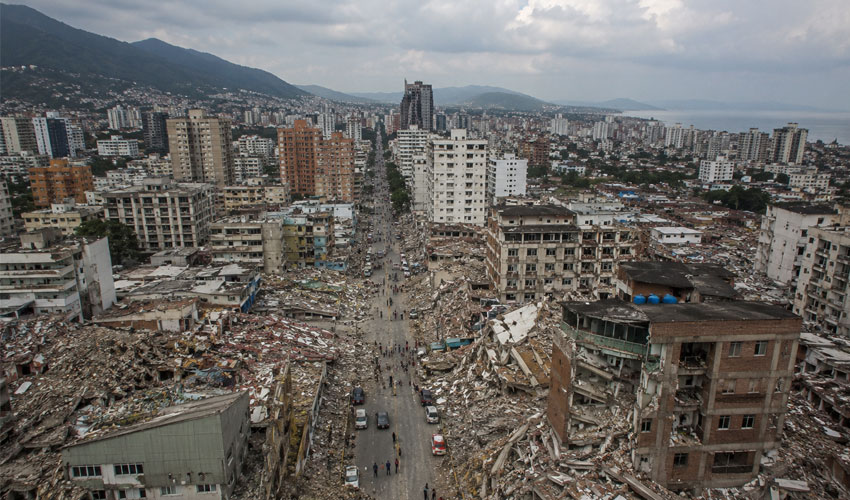
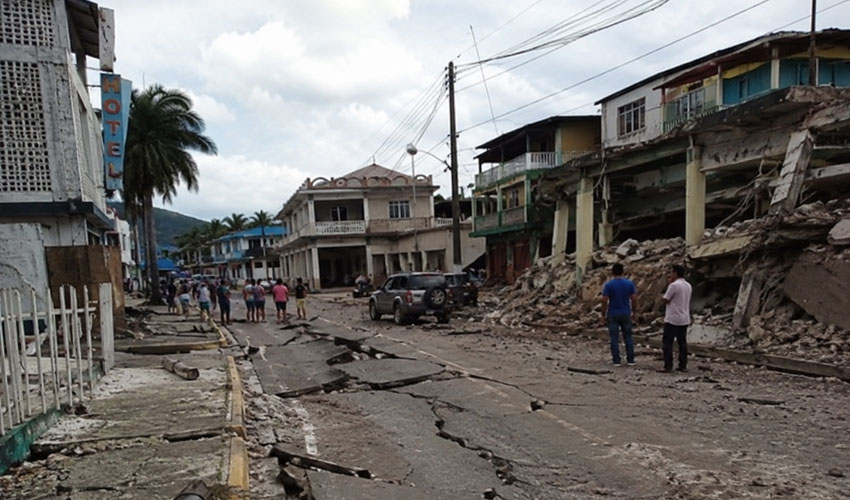
The most devastating event occurred in northern Venezuela, where two powerful earthquakes measuring Mw 7.2 and Mw 7.5 struck just 39 seconds apart, causing widespread damage and triggering one of the country’s largest emergency response operations in decades. At the same time, other seismic events across the Pacific Ring of Fire once again demonstrated that earthquakes remain one of the world’s most unpredictable natural hazards.
Multiple Earthquakes Highlight the Importance of Disaster Preparedness
The close timing of these earthquakes quickly sparked speculation that they might somehow be connected. However, according to seismologists, the events were independent and occurred on different tectonic plate boundaries. The only directly related earthquakes were those in Venezuela, where the first quake acted as a foreshock before the stronger mainshock.
While these earthquakes were not connected geologically, they shared one important message: disasters can happen anywhere, often without warning, and sometimes several major emergencies can unfold almost simultaneously.
For people living in the affected regions, these events were far more than dots on a seismic map. They disrupted daily life within seconds, damaged critical infrastructure, and placed enormous pressure on emergency services. Every major earthquake reminds us that effective disaster response begins long before rescue teams arrive – it begins with preparedness.
How Earthquake Early Warning Systems Help Protect Lives
Although scientists cannot predict exactly when an earthquake will occur, modern earthquake early warning systems can detect the first seismic waves and automatically issue alerts before the strongest shaking arrives. Depending on the distance from the epicenter, this can provide anywhere from a few seconds to several tens of seconds of valuable warning time.
Those few seconds can automatically stop trains, slow metro systems, secure industrial processes, activate emergency procedures, notify first responders, and give people precious time to take protective action. When every second matters, even a short warning can significantly reduce risk.
Why Public Warning Systems Are Critical During Earthquakes
An effective warning is only valuable if it reaches people immediately. That is why modern public warning systems combine multiple communication channels, including outdoor electronic sirens, voice announcements, cell broadcast, mobile notifications, television, radio, and centralized emergency management platforms.
By delivering alerts through several channels at once, authorities can maximize coverage, reduce response times, and improve community resilience during earthquakes and other natural disasters. As cities continue to grow and critical infrastructure becomes increasingly interconnected, reliable emergency communication is becoming just as important as the warning itself.
Telegrafia Solutions for Modern Earthquake and Emergency Warning
For more than 30 years, Telegrafia has been developing public warning and emergency communication solutions used in municipalities, industrial facilities, critical infrastructure, and nationwide warning networks around the world. As a worldwide supplier with international deployments, we help authorities deliver fast, reliable alerts when every second counts.
Solutions such as the Pavian electronic siren, together with centralized control software and multi-channel alerting, can become an essential part of comprehensive earthquake warning systems. Whether protecting cities, industrial facilities, coastal regions, or remote communities, modern public warning solutions help ensure that critical information reaches people as quickly as possible.
The six major earthquakes that occurred within a single day were not connected by geology—but they were connected by one common lesson.
Preparedness (can) saves lives. While natural disasters cannot be prevented, investing in modern earthquake early warning and public warning systems can make communities safer, more resilient, and better prepared for whatever comes next.

The article was written by
Róbert Jakab
Robert is like a moving photograph – because he is like a video. He can capture 60 frames per second. Whenever something happens, he records it. Currently, he’s working on smaller videos and hoping to make a feature film one day and then its sequel. Telegrafia 2: Monkey Power