
Listen to audio:
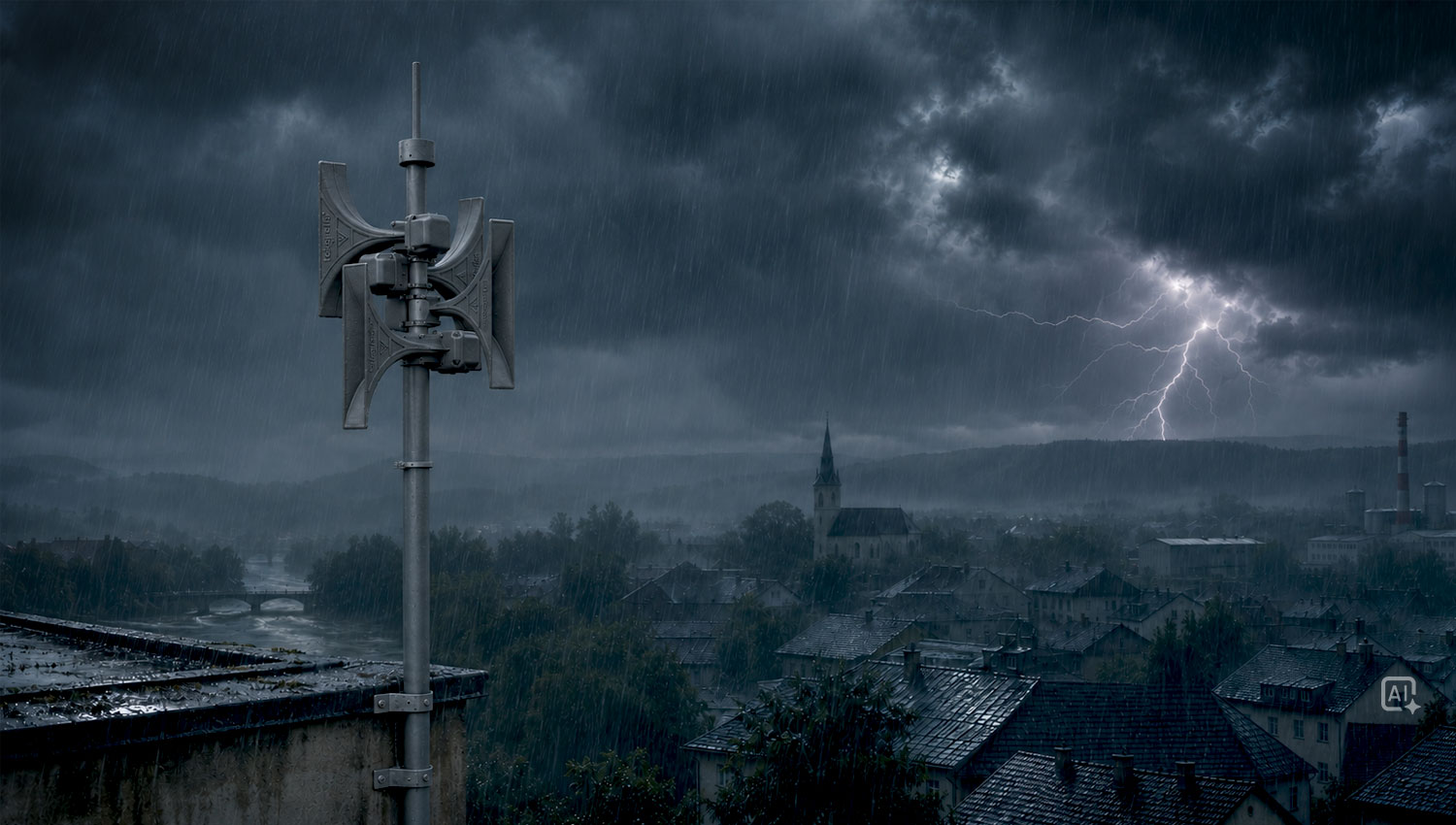
Power outages and communication failures often occur when warning systems are needed most. Severe storms, floods, fires, industrial accidents or damage to critical infrastructure can interrupt electricity supplies and communication networks at the same time. A reliable warning system therefore needs to be prepared to operate even when parts of the surrounding infrastructure are unavailable.
Modern electronic warning systems can combine backup power, different communication options, autonomous operation and system diagnostics. Together, these features improve warning system reliability by reducing dependence on a single part of the infrastructure and helping ensure that warnings can still be delivered during an emergency.
Backup Communication for Electronic Warning Systems
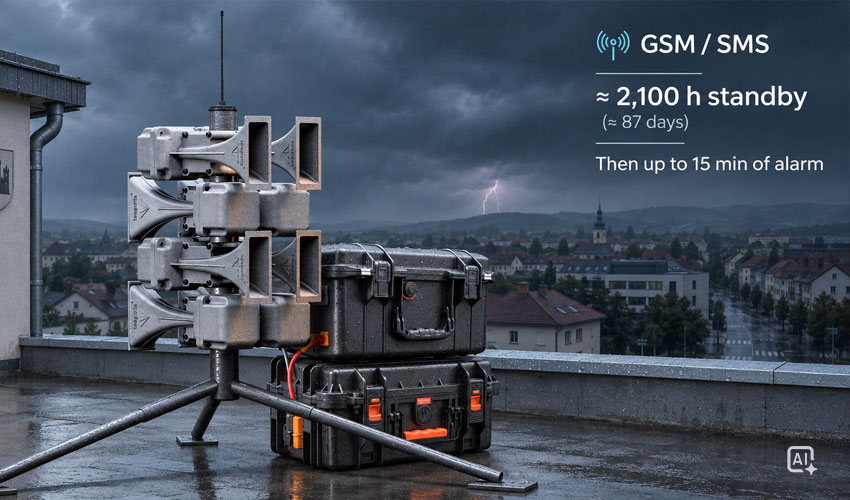
Telegrafia electronic sirens can use backup batteries to continue operating when the external power supply is interrupted. The actual autonomy depends on the siren type, battery capacity and system configuration. Depending on the application, backup operation can range from hours or days to significantly longer periods.
A good example is Pavian Portable with GSM/SMS communication. Powered by a single LiFePO₄ battery, it can remain in standby mode for approximately 2,100 hours – around 87 days. Even after this extended standby period, it is still capable of producing up to 15 minutes of alarm sound. Combined with its portable design, this makes it suitable for situations where long-lasting autonomy is required or where permanent power infrastructure is unavailable.
However, backup power is useful only when the system is actually ready to operate. Telegrafia sirens therefore include self-diagnostic functions that can monitor important components such as batteries, loudspeakers and communication modules. Silent testing can also verify system readiness without broadcasting a full audible alarm. This helps operators identify potential problems before an actual emergency occurs.
How Warning Systems Operate During Communication Failures
A functioning power supply is only one part of warning system reliability. The connection between the control centre and sirens can also be affected by damaged infrastructure, network outages or other technical failures.
Telegrafia warning systems can use different wired and wireless communication technologies, including IP networks, GSM/LTE, analogue radio, digital radio technologies such as TETRA or DMR, and optical connections. The appropriate communication method depends on the location, existing infrastructure and reliability requirements of the project. Where necessary, different communication methods can be combined to reduce dependence on a single network.
If communication with the control centre is interrupted, this does not necessarily mean that the siren becomes unusable. Depending on the configuration, it can continue operating autonomously, be activated locally or react to predefined external triggers. Communication problems can also be detected and reported by the control system, helping operators identify faults and take appropriate action.
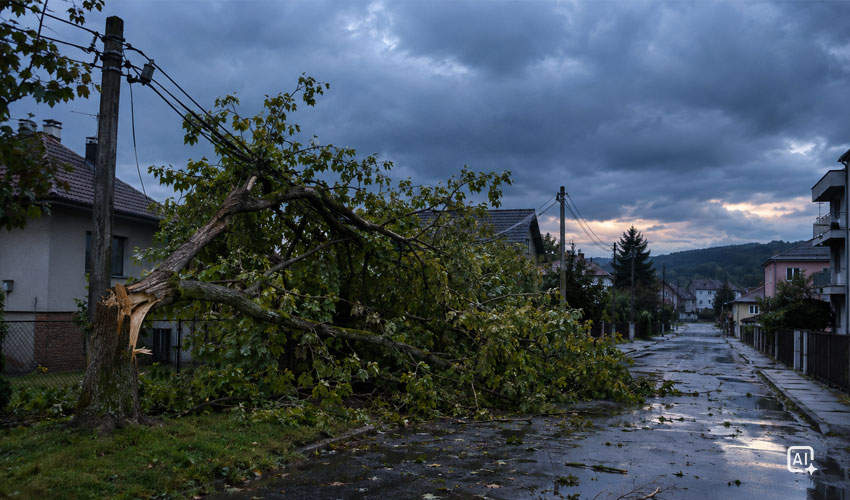
This is particularly important because an emergency may affect several types of infrastructure at once. A severe storm, for example, could cause both a power outage and problems with mobile or data networks. Designing the warning system with these scenarios in mind reduces the risk that one infrastructure failure disables the entire warning capability.
Key Elements of a Resilient Warning System
Warning systems do not always have to rely exclusively on an operator sending a command from a central control centre. Telegrafia monitoring stations can collect and evaluate information from external third party sensors measuring parameters such as water levels, weather conditions, hazardous substances or other environmental and technological values.
When predefined conditions are reached, the system can initiate appropriate actions, including the activation of electronic sirens, PA systems or other warning devices. In a flood warning system, for example, information about a critical water level can be evaluated and used to trigger predefined warning actions. This can shorten reaction time and provide an additional level of independence when immediate action is required.
Local activation and autonomous operation can therefore complement centralised control rather than replace it. The objective is to provide several ways of delivering a warning instead of depending entirely on one control point or communication path.
Reliability Is More Than Backup Power
A resilient warning system should be considered as a complete chain: Detection → Communication → Control → Activation → Warning
Depending on the application, reliability measures can include backup batteries, alternative power supplies, multiple communication technologies, local and autonomous activation, sensor-based automatic actions, remote diagnostics and silent testing.
The appropriate level of redundancy will naturally differ between a municipality, industrial facility, dam, mine or other critical infrastructure. There is no single configuration suitable for every application. What matters is identifying the possible points of failure during the design of the warning system and ensuring that critical warning functions do not depend unnecessarily on a single component.
Warning and Notification Systems for Critical Infrastructure Failures
Warning systems are designed for situations in which normal conditions can no longer be taken for granted. Their real value becomes apparent when electricity, communication networks or other infrastructure becomes unavailable.
By combining backup power, reliable communication, autonomous operation and system diagnostics, a warning system can remain ready to perform its most important task: delivering critical information when people need it most.
Need a warning system designed for reliable operation during power or communication failures? Telegrafia can design the power supply, communication infrastructure and level of redundancy according to the risks and operational requirements of each project. Because when everything else goes down, the warning must still get through.
FAQ
1. How long can electronic sirens operate on backup power?
Backup power autonomy depends on the siren model, battery capacity, and system configuration. For example, the Pavian Portable siren with GSM/SMS communication can remain in standby mode for approximately 2,100 hours (87 days) using a single LiFePO₄ battery and still deliver up to 15 minutes of alarm sound.
2. What happens if communication with the control centre is lost?
Depending on their configuration, electronic sirens can continue operating autonomously, be activated locally, or respond to predefined external triggers. Communication failures can also be detected and reported through the control software, allowing operators to take appropriate action.
3. What communication technologies can warning systems use?
Warning systems can use various communication technologies, including IP networks, GSM/LTE, analogue radio, digital radio systems such as TETRA and DMR, and optical connections. Combining multiple technologies helps improve reliability and reduces dependence on a single communication network.
4. How is the operational readiness of electronic sirens checked?
Electronic sirens feature self-diagnostic functions that monitor important components, including batteries, loudspeakers, and communication modules. Remote monitoring and silent testing help detect potential faults and verify system readiness without broadcasting audible alarms.
5. How often should electronic sirens be tested?
Electronic sirens should undergo regular testing to ensure reliable operation during emergencies. Silent tests can be performed manually or automatically through control software, allowing operators to check system functionality without disturbing the public.

The article was written by
Róbert Jakab
Robert is like a moving photograph – because he is like a video. He can capture 60 frames per second. Whenever something happens, he records it. Currently, he’s working on smaller videos and hoping to make a feature film one day and then its sequel. Telegrafia 2: Monkey Power