
Listen to audio:
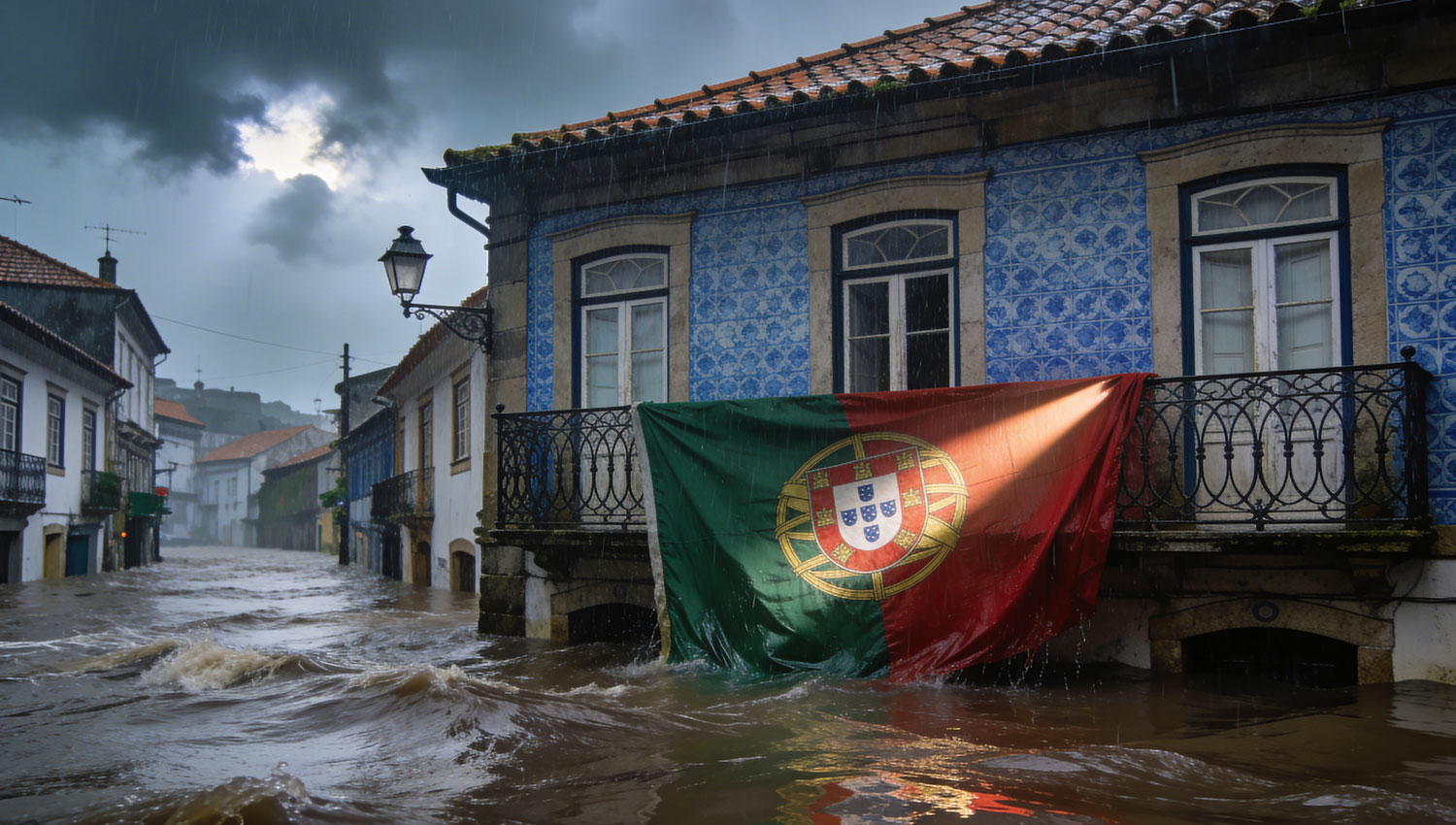
Since January 2026, Portugal has faced repeated flooding, highlighting the growing importance of flood warning systems in Portugal. These events highlight a growing reality across Europe: extreme weather is becoming more frequent, and cities must adapt faster than ever. For municipalities, the key question is no longer if floods will occur, but how effectively flood warning systems and early warning systems can reduce their impact.
Extreme Rainfall in Portugal: a Pattern, Not an Exception
In the first months of 2026, Portugal experienced several consecutive storms bringing unusually high rainfall totals. According to data from national meteorological services and European climate monitoring, some regions recorded precipitation levels significantly above the seasonal average.
Saturated soil and elevated river levels increased the risk of rapid flooding. In urban areas, impermeable surfaces such as roads and buildings prevent water from soaking into the ground. As a result, rainfall quickly turns into surface runoff, overwhelming drainage systems and causing flash floods.
This pattern is not unique to Portugal. Similar developments have been observed across Southern Europe, confirming a long-term trend driven by climate change and increasing variability in weather systems.
Recent Flood Events in Portugal in 2026
Several incidents throughout early 2026 illustrate the scale of the problem:
- Lisbon (January): Streets were flooded, disrupting transport and daily life
- Central Portugal (February): Rising rivers triggered evacuations and property damage
- Algarve: Intense rainfall overwhelmed drainage systems within hours
According to the Portuguese Institute for Sea and Atmosphere (IPMA), these events were driven by consecutive storm systems combined with already saturated ground, significantly increasing runoff and flood risk.
El Niño and Climate Variability: Why Extreme Weather is Increasing
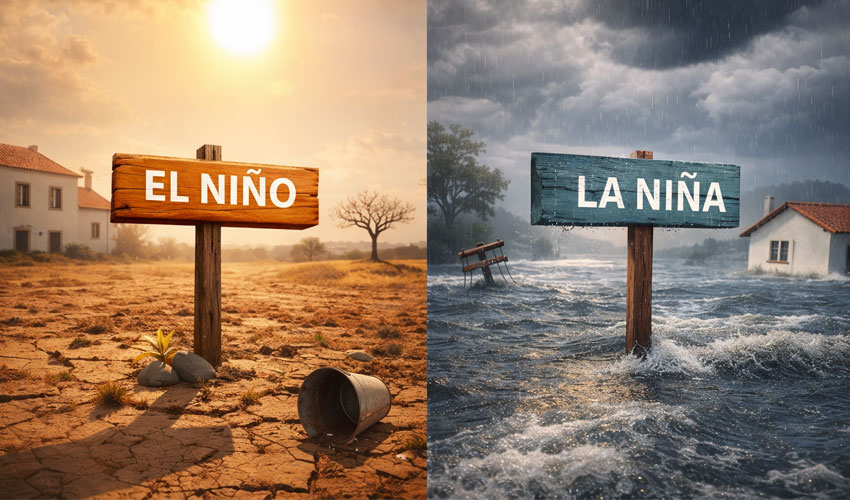
The floods in Portugal are linked to broader atmospheric processes. El Niño, a climate phenomenon originating in the Pacific Ocean, influences global weather patterns by altering atmospheric circulation.
By early 2026, El Niño has been weakening, but transition phases often bring instability. This leads to sudden and intense rainfall events, as seen in Portugal. Climate reports from international organizations confirm that such fluctuations are becoming more pronounced in a warming climate.
For Europe, this means more frequent extremes: periods of drought followed by intense rainfall within short timeframes. This variability places increasing pressure on urban infrastructure and traditional flood risk management strategies.
How Flood Warning Systems Work in Modern Cities
Modern flood warning systems and early warning systems are designed to shift from reactive response to proactive risk management.
They typically include:
- Real-time monitoring of rainfall, river levels and water flow
- Predictive analytics to detect rising flood risk early
- Automated alerts triggered when thresholds are exceeded
- Multi-channel communication, including sirens, SMS and mobile notifications
- Integration with emergency systems for coordinated response
These systems allow authorities to detect potential flooding before it occurs and respond faster, reducing damage and improving public safety.
From Reaction to Prevention: Why Early Warning Systems Matter
The 2026 floods clearly demonstrate the gap between extreme weather events and response capability. Traditional approaches based on reacting after flooding begins are no longer sufficient.
By contrast, early warning systems provide:
- Faster evacuation of at-risk areas
- Better coordination of emergency services
- Reduced infrastructure damage
- Improved protection of human lives
For cities and municipalities, investing in urban flood warning systems is no longer optional. It is a necessary step toward building resilient and climate-ready communities.
Conclusion: Lessons for Portugal and Beyond
The floods in Portugal in 2026 are not isolated incidents, but part of a broader shift toward more extreme and unpredictable weather. As climate risks increase, the importance of flood warning systems, emergency alert systems and real-time monitoring continues to grow.
Cities that adopt advanced warning technologies will be better prepared to protect their residents, infrastructure and economy. The lesson is clear: preparedness must evolve alongside climate change, and early warning systems are a critical part of that transformation.

The article was written by
Róbert Jakab
Robert is like a moving photograph – because he is like a video. He can capture 60 frames per second. Whenever something happens, he records it. Currently, he’s working on smaller videos and hoping to make a feature film one day and then its sequel. Telegrafia 2: Monkey Power