
Listen to audio:
Gota fría Spain (also known as DANA) is a meteorological phenomenon that can cause extreme rainfall and flash floods in Mediterranean regions. It occurs when cold air in the upper atmosphere interacts with warm, humid air above the Mediterranean Sea, creating powerful storm systems and sudden precipitation.
The eastern coast of Spain is known for its typical Mediterranean climate – warm summers, mild winters and generally dry weather during most of the year. However, regions such as Comunidad Valenciana and Murcia face a specific natural hazard: sudden episodes of extreme rainfall that can trigger dangerous flash floods.
One of the best-known meteorological phenomena associated with these events is called gota fría, also known in meteorology as DANA (Depresión Aislada en Niveles Altos).
These weather events can produce short but extremely intense rainfall, posing a serious risk to infrastructure, urban areas and local communities.
What Is Gota Fría?
The term gota fría is traditionally used in Spain to describe a weather situation in which cold air in the upper atmosphere interacts with warm, moisture-rich air above the Mediterranean Sea.
During the autumn months, the Mediterranean Sea often remains very warm. The warm sea surface increases evaporation and significantly raises the amount of moisture in the air.
When colder air masses move over this warm and humid environment, high atmospheric instability can develop, creating conditions for powerful storm systems and severe thunderstorms.
These weather patterns often result in:
-
intense rainfall within a very short time
-
high precipitation concentrated in a small geographic area
-
a high risk of flash floods and local flooding
Because these events can develop rapidly, they represent a major hydrometeorological risk in Mediterranean coastal regions.
The Scientific Term: DANA
Although the term gota fría has been widely used for decades in media and everyday language, the Spanish meteorological service now prefers the more precise scientific term DANA – Depresión Aislada en Niveles Altos.
Both expressions describe a similar atmospheric situation in which isolated upper-level low pressure systems trigger heavy rainfall and severe storms.
These systems are capable of producing extreme precipitation events within a very short period of time, which makes early detection and public warning particularly important.
Regions in Spain Most Affected by Gota Fría
The gota fría / DANA phenomenon occurs most frequently in eastern and southeastern Spain, especially in the following areas:
-
Comunidad Valenciana (Valencia, Alicante, Elche)
-
Region of Murcia
-
Catalonia
-
Eastern Andalusia
-
Balearic Islands
These regions combine Mediterranean coastal conditions, complex terrain and densely populated areas, which increases their vulnerability to flash flooding.
The 2019 DANA Event: A Major Flood Disaster
One of the most significant recent events associated with gota fría (DANA) occurred in September 2019, when southeastern Spain experienced severe flooding.
Within just a few days, some areas recorded more than 300 mm of rainfall, equivalent to several months of average precipitation.
The consequences included:
-
widespread flash flooding
-
flooded residential areas
-
damaged infrastructure and transportation networks
-
evacuations of residents
According to official estimates, the damage reached hundreds of millions of euros, making it one of the most expensive flood disasters in the modern history of the region.
This event demonstrated that even areas known for their generally dry Mediterranean climate can experience extreme rainfall and sudden flood events.

Why Early Warning Systems Are Essential
During phenomena such as gota fría, time is a critical factor. Heavy rainfall can develop rapidly and cause dangerous flooding within minutes or hours.
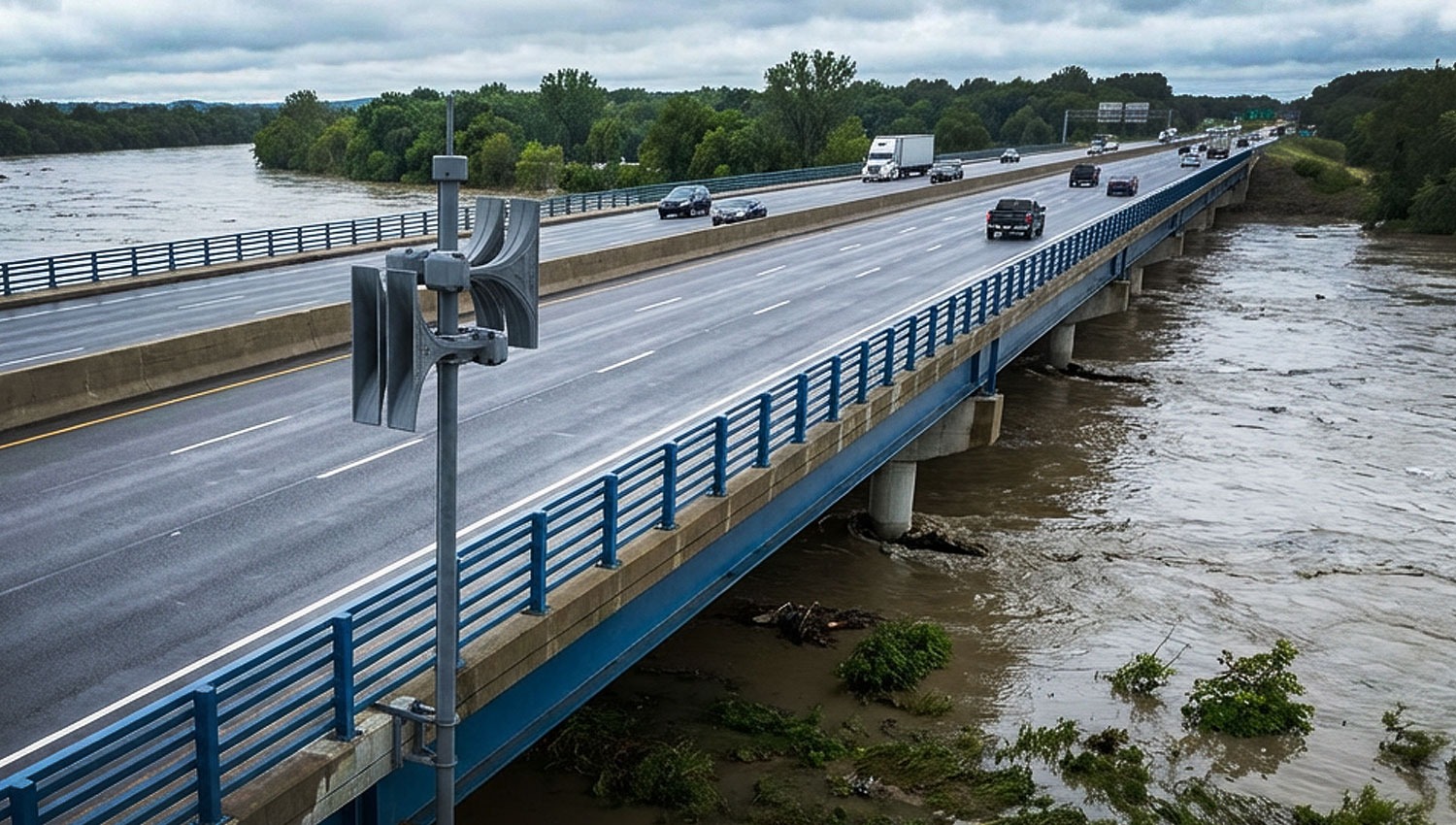
For this reason, many municipalities in flood-prone regions are investing in modern early warning systems and public alerting infrastructure that can notify residents immediately in case of imminent danger.
Public warning technologies play a key role in civil protection, disaster preparedness and community safety.
Electronic Sirens for Flood and Emergency Warning
For example, in 2025 the city of Elche installed its first modern warning siren directly in a flood-risk area – the Pavian electronic siren.
This advanced electronic siren system is designed to provide fast and reliable public alerts during emergencies such as flash floods or severe weather events.
The Pavian electronic siren offers several important capabilities:
-
broadcasting alarm signals and voice announcements with safety instructions
-
local or remote activation by authorities
-
easy integration with existing municipal infrastructure
-
compatibility with sensors and monitoring systems
-
operation even during power outages
-
reliable performance in humid and demanding outdoor environments
Modern warning technologies such as electronic sirens help communities respond faster and improve public safety during extreme weather events.

The article was written by
Petra Rychtarcikova
Petra is an international business manager in charge of Spanish, French and Portuguese-speaking countries. Petra, with her global, economic and logistic background and knowledge of four languages, does very productive and responsible work for Telegrafia. Latin-American affairs, travelling, tourism and electronic sirens are her hobbies, and she is pleased to bring you exciting information from the Telegrafia world.